by The Cullector Team
The Seasonal Skin Switch: How to Keep Your Glow as Temperatures Change
The smartest seasonal skin care moves — and the products that make them effortless
explore collectionIf you've ever noticed your skin suddenly feeling tight, dull, or congested right around the time the weather changes, you're not imagining it. Seasonal skin care is real, and knowing how to adjust your skincare routine for seasons is one of the most useful things you can do for your complexion. Temperature shifts affect your skin's oil production, moisture barrier, and sensitivity levels — sometimes all at once. The good news? A few targeted swaps can keep your glow intact all year round.
We evaluated a curated selection of products from Biossance, Frank Body, Supergoop!, Ole Henriksen, and Sephora based on ingredient relevance, price point, and how well each product addresses the specific concerns that come with changing temperatures — dryness, barrier disruption, dullness, and sun protection gaps. Every single one of these can be shopped through Chirpyest for cash back while you're at it.
How Should You Adjust Your Skincare Routine for Seasonal Changes?
To adjust your skincare routine for seasonal changes, focus on shifting your hydration and protection levels in response to temperature and humidity shifts. In colder months, swap lightweight gels for richer creams or layer a hydrating serum underneath your moisturizer to reinforce the skin barrier. As temperatures warm up again, scale back heavier occlusives, reintroduce brightening treatments, and make sure your SPF routine stays consistent year-round — UV exposure doesn't pause in winter.
Why Skincare for Temperature Changes Needs a Different Approach
The shift in seasons does something specific to skin: it changes the environment your barrier has to work in. Cold air holds less moisture, indoor heating pulls hydration from the surface, and wind can compromise your skin's protective layer faster than almost anything else. If you have sensitive skin, seasonal changes tend to amplify existing concerns — redness, flakiness, and tightness get worse before they get better if you don't intervene.
On the flip side, warmer months bring their own disruptions: higher humidity can trigger congestion if you're still using a heavy winter moisturizer for cold weather, and increased sun exposure means your SPF routine needs to be as reliable as your morning coffee. The goal isn't necessarily a full routine overhaul every few months — it's knowing which one or two adjustments make the most difference for your skin type.
When we compared these picks, we looked at ingredient lists, what skin types each product is suited for, and how they layer with other products across different weather conditions. We also considered price-to-performance value and how well each one fits into a realistic routine — not just an aspirational one.
How to Build a Winter Skin Care Routine (Without Starting From Scratch)
A solid winter skin care routine doesn't have to mean buying ten new products. The smartest approach is usually additive: keep your cleanser, layer in a hyaluronic acid serum to pull moisture into the skin, and step up to a richer moisturizer or face oil on top. If you've been relying on a lightweight gel cream all summer, autumn is the right time to look at something with more occlusivity — but not so heavy that it clogs pores or sits uncomfortably under makeup.
The other cold-weather adjustment that often gets skipped: SPF. Many people dial back sun protection in winter because the sun feels less intense, but UVA rays — the ones associated with long-term skin aging — are present year-round and can penetrate cloud cover. Keeping a reliable SPF in your morning lineup regardless of the season is one of the most evidence-backed things you can do for your skin's long-term health.
For those with sensitive skin, seasonal changes can also be a good moment to introduce or re-evaluate a niacinamide product. Niacinamide is well-regarded for helping to maintain barrier function and calm visible redness — both common concerns when temperatures drop. It also pairs well with vitamin C, so stacking both in a routine (at different steps) tends to give a broader range of benefits across skin tone and texture.
What We're Loving
Curated picks for every seasonal shift — from deep hydration to year-round sun protection
Biossance
Up to 5% Cash BackBiossance leans into clean, plant-derived formulas with a clear focus on deep hydration — which makes their lineup a natural fit for a seasonal skin care refresh, particularly heading into cooler months.

Squalane + Copper Peptide Rapid Plumping Serum | Biossance
A plumping serum that combines squalane, copper tripeptide-1, and hyaluronic acid to reinforce skin firmness and moisture — ingredients particularly well-suited to skin that feels depleted as temperatures drop. Best suited to those prioritizing barrier support and visible fullness rather than exfoliation or oil control.
shopFrank Body
Up to 5.5% Cash BackFrank Body offers accessible, well-formulated skincare at a price point that makes layering more approachable — which is exactly what a seasonal routine often calls for. Their hyaluronic acid serum is a smart, low-commitment way to add meaningful hydration without overhauling what's already working.

Hydrating Hyaluronic Acid Serum
A lightweight, fast-absorbing serum formulated with hyaluronic acid to plump, smooth, and calm the skin — described as suitable for all skin types, which makes it a reasonable starting point for anyone whose complexion is reacting to seasonal temperature changes. At $22, it's also the kind of product worth trying under your existing moisturizer before committing to a full winter routine refresh.
shopSupergoop!
Up to 5% Cash BackSupergoop! is focused almost entirely on sun protection, with a range of textures and formats designed to remove any friction from daily SPF use. Their PLAY Everyday Lotion is the most practical argument for keeping SPF in your year-round routine — not just during summer.

Supergoop! PLAY Everyday Lotion SPF 50 Sunscreen
An SPF 50 lotion noted by customers for its non-greasy, quick-absorbing texture and water- and sweat-resistant formula — which means it holds up whether you're dealing with a cold, windy commute or a sunny afternoon in autumn. A reliable choice for those who find heavy sunscreen the most likely reason they skip SPF in colder months.
shopOle Henriksen
Up to 5% Cash BackOle Henriksen focuses heavily on vitamin C-based brightening, which fills a real gap in seasonal routines — dull, uneven skin tone tends to become more noticeable in winter when skin is under more stress and getting less natural light.

C-Rush Brightening Gel Crème
A gel-cream moisturizer powered by three vitamin C sources and antioxidants, designed to address visible dullness and signs of aging — a combination that makes it a reasonable transition moisturizer for the in-between seasons when your skin needs both hydration and brightening support. Worth noting: the gel texture may feel lighter than what some prefer mid-winter, so those with very dry skin may want to layer it over a serum.
shopSephora
Up to 5% Cash BackSephora's breadth makes it one of the more practical places to stock up on seasonal staples — and right now, the Glow Recipe niacinamide serum is one of the more talked-about picks for anyone rebuilding their routine after summer.
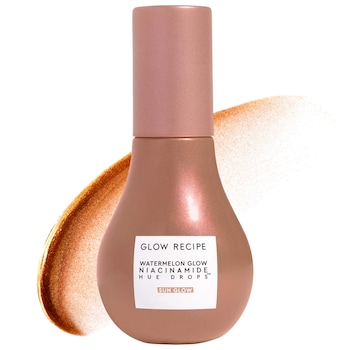
Glow Recipe Watermelon Glow Niacinamide Hue Drops Serum
A multi-purpose niacinamide serum with two sheer tints formulated to even skin tone and visibly brighten over time — particularly useful for those whose complexion looks uneven or flat after summer sun exposure fades. The niacinamide-forward formula also makes it a considered option for sensitive skin that tends to react to seasonal changes.
shopPicking the Right Product for Your Seasonal Skin Care Concern
Not everyone's skin responds to seasonal shifts the same way, so here's a rough guide to matching the picks above to your most pressing concern:
- If your skin feels tight or depleted as it gets colder: The Biossance Squalane + Copper Peptide Rapid Plumping Serum or Frank Body's Hydrating Hyaluronic Acid Serum are both worth considering. The Frank Body option is a lower-cost entry point; the Biossance serum brings additional peptide support for anyone also dealing with firmness concerns.
- If you tend to skip SPF in winter: Supergoop! PLAY Everyday Lotion SPF 50 addresses the most common reason people drop sun protection in colder months — the texture. Its fast-absorbing, non-greasy formula is specifically designed to feel like nothing on skin, which removes the most common friction point for year-round SPF compliance.
- If dullness is your main seasonal complaint: Ole Henriksen's C-Rush Brightening Gel Crème targets visible dullness through antioxidant-rich vitamin C. It's best suited to autumn and spring transition periods; very dry skin types may find it most effective when layered over a hydrating serum in winter.
- If you're managing uneven tone or sensitivity: The Glow Recipe Watermelon Glow Niacinamide Hue Drops Serum — available via Sephora — delivers niacinamide in a serum format, which is generally well-tolerated by sensitive skin. The sheer tint also gives it some versatility if you're someone who prefers a low-step morning routine.
One note on price: across these picks, prices range from $22 to $69. That spread reflects genuinely different formulation complexity and ingredient costs — not necessarily a difference in efficacy. Hyaluronic acid serums, for instance, can perform well at accessible price points because the ingredient itself is relatively stable and widely available. Peptide-based formulas, by contrast, involve more specialized actives, which typically shows up in cost. It's worth knowing what you're paying for before assuming more expensive means more effective for your skin type.
Brands We Love
Shop these retailers and earn cash back
Make Your Seasonal Skin Care Routine Work Harder
The most effective seasonal skin care routine isn't the most complicated one — it's the one you'll actually stick to. What we compared here covers the core pillars: a plumping peptide serum for barrier reinforcement, an accessible hyaluronic acid serum for layering, a reliable SPF to keep sun protection consistent year-round, a brightening vitamin C moisturizer for the transition months, and a niacinamide serum for tone and sensitivity. Together, they represent a considered response to what skin actually needs as temperatures change — without requiring a full seasonal overhaul every few months.
The fact that you can earn cash back on all of these through Chirpyest — up to 5.5% with Frank Body and up to 5% across Biossance, Supergoop!, Ole Henriksen, and Sephora — makes the financial case for shopping through the platform straightforward, especially when you're refreshing multiple products at once. Ready to start earning? Join Chirpyest and shop these seasonal skin care picks with cash back today.
Frequently Asked Questions
Do I need a different moisturizer for cold weather?
Many people benefit from a richer moisturizer for cold weather, particularly if their current formula is gel-based or water-light — both of which can feel insufficient when indoor heating and cold air are pulling moisture from the skin. That said, the right answer depends on your skin type: oily or combination skin may still do well with a medium-weight cream layered over a hydrating serum, while dry skin types often find that a heavier occlusive or facial oil on top makes the biggest difference. If you're not sure where to start, adding a hyaluronic acid serum underneath your existing moisturizer is often the lowest-friction adjustment.
Should you wear SPF in winter?
Yes — dermatologists consistently recommend wearing SPF year-round, including in winter. UVA rays, which contribute to visible signs of skin aging, are present regardless of cloud cover or season and can penetrate glass. The main barrier to winter SPF compliance tends to be texture: if a sunscreen feels heavy or greasy in cold weather, people skip it. Choosing a lightweight, non-greasy SPF 50 formula can remove that friction and make daily sun protection more sustainable across all seasons.
How does seasonal change affect sensitive skin?
Sensitive skin is often the first to react visibly to seasonal changes — redness, flakiness, tightness, and increased reactivity are all common as temperatures shift. The drop in humidity and the introduction of indoor heating in autumn and winter can compromise the skin barrier faster in those with baseline sensitivity. Keeping actives gentle (niacinamide, for instance, is well-tolerated by most sensitive skin types), layering in barrier-supporting ingredients like squalane and ceramides, and avoiding harsh exfoliation during transition periods are all practical steps. Introducing only one new product at a time also helps you identify what's working and what might be causing a reaction.
Can I use vitamin C in winter, or is it too harsh for colder months?
Vitamin C is generally appropriate for year-round use and can actually be more beneficial in winter, when skin tone tends to look dullest. Pure ascorbic acid (the most potent form) can cause irritation in some skin types regardless of season, but many vitamin C formulas use stabilized or gentler derivative forms that are better tolerated. If your skin feels more reactive in winter, consider starting with a lower-concentration vitamin C product or one that combines vitamin C with soothing ingredients. Applying it in the morning followed by a broad-spectrum SPF is the standard recommended approach to get brightening benefits while protecting against oxidation and UV exposure.